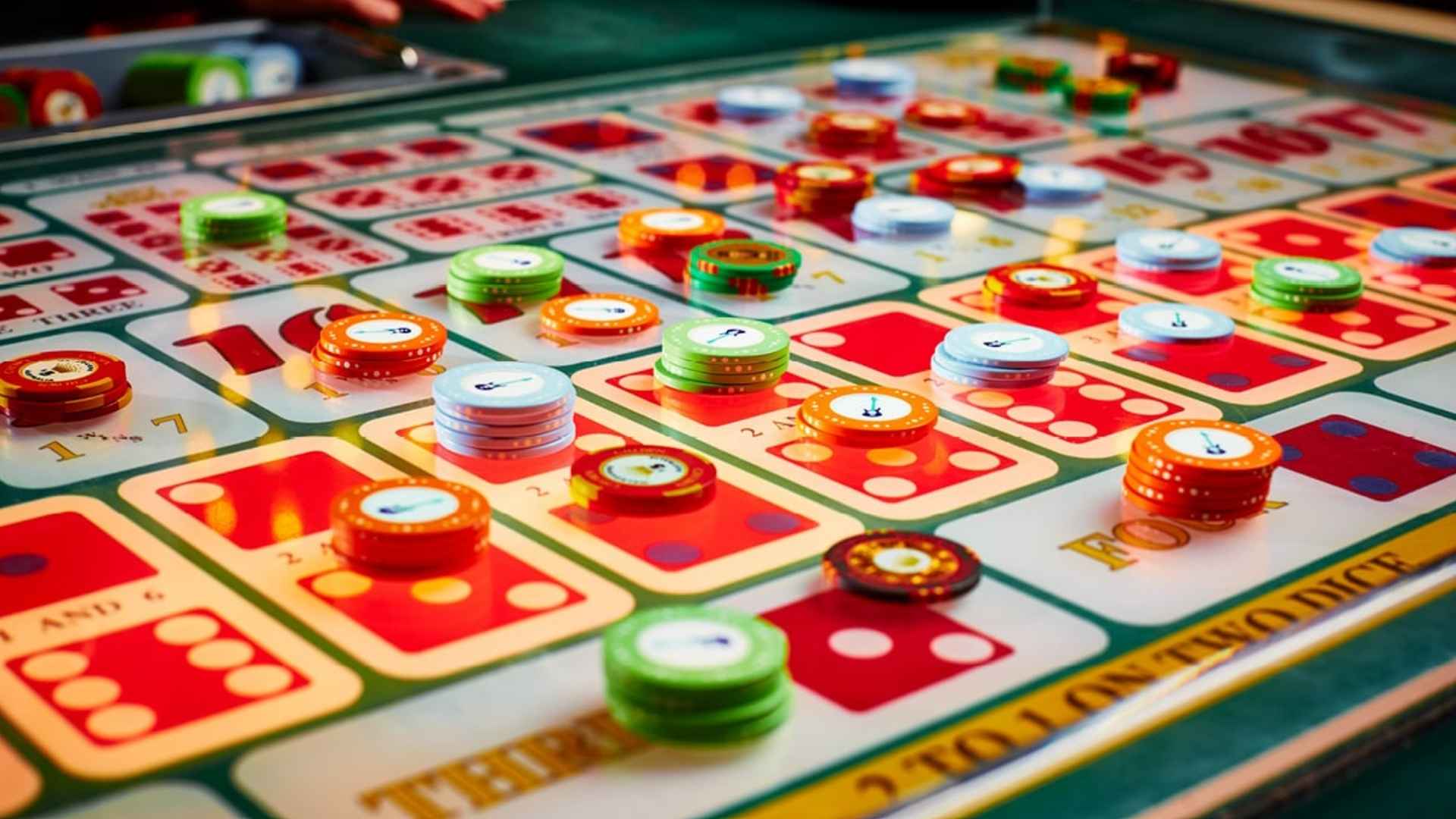
The human brain thrives on mystery, making the presence of unexpected rewards one of the most powerful tools in modern game design. When a prize or milestone is guaranteed, the experience can quickly turn into a predictable routine that loses its initial charm. By contrast, introducing a variable outcomes model keeps the player actively guessing and deeply invested in the immediate journey.
The Psychology of Variable Reinforcement
Psychological research demonstrates that an unknown reward releases far more dopamine in the brain than a completely predictable outcome. This sudden surge creates a heightened state of focus and curiosity as participants wait for the final results to unfold. Because our internal expectations shift dynamically with each round, the emotional weight of the game stays fresh and engaging.
This mental mechanism explains why surprise drops or randomized bonuses maintain such high levels of long-term interest. Platforms that offer clear structural transparency allow users to appreciate the mechanics operating behind the scenes. For instance, trusted gaming networks like m88 malaysia clearly outline how their selection frameworks function to guarantee fair distribution. Understanding these parameters helps enthusiasts establish realistic goals while enjoying the natural thrill of the unknown.
How Mystery Elevates User Engagement
When game loops incorporate mysterious elements, they transform simple participation into memorable milestones. The visual and auditory cues that accompany a mystery chest or a sudden bonus trigger immediate excitement. This design choice ensures that even minor secondary rewards feel like significant achievements during gameplay.
Furthermore, random distributions naturally disrupt the monotony that often plagues linear progression systems. By breaking down standard tasks with sudden bursts of possibility, developers create a sustainable entertainment ecosystem. Players are consistently motivated to continue exploring because the next interaction might reveal something extraordinary.
Managing Expectations in Random Systems
While the anticipation of variable rewards is inherently fun, maintaining a balanced mindset is crucial for a positive experience. Discerning players know that digital algorithms generate entirely fresh calculations with every single turn. This means that previous outcomes carry zero statistical weight regarding what will appear next.
Recognizing this architectural independence allows participants to abandon flawed pattern-tracking theories. Instead, focusing on deliberate session management and setting firm personal boundaries ensures that playtime remains healthy. True entertainment value lies in appreciating the creative mechanics of chance without overextending your resources.
Designing Balanced Incentive Structures
Modern developers carefully balance their reward systems to satisfy different player preferences over extended periods. Rather than relying solely on a singular massive jackpot, successful layouts feature a diverse mix of intermediate bonuses. This multi-tiered arrangement ensures that participants receive steady value even when missing the top prize.
These smaller, frequent perks can include useful digital assets, extra game time, or unique custom modifications. When the secondary tiers offer practical utility, the entire interactive loop becomes much more fulfilling. Ultimately, the perfect blend of mystery and balanced odds is what keeps human curiosity alive across digital landscapes.