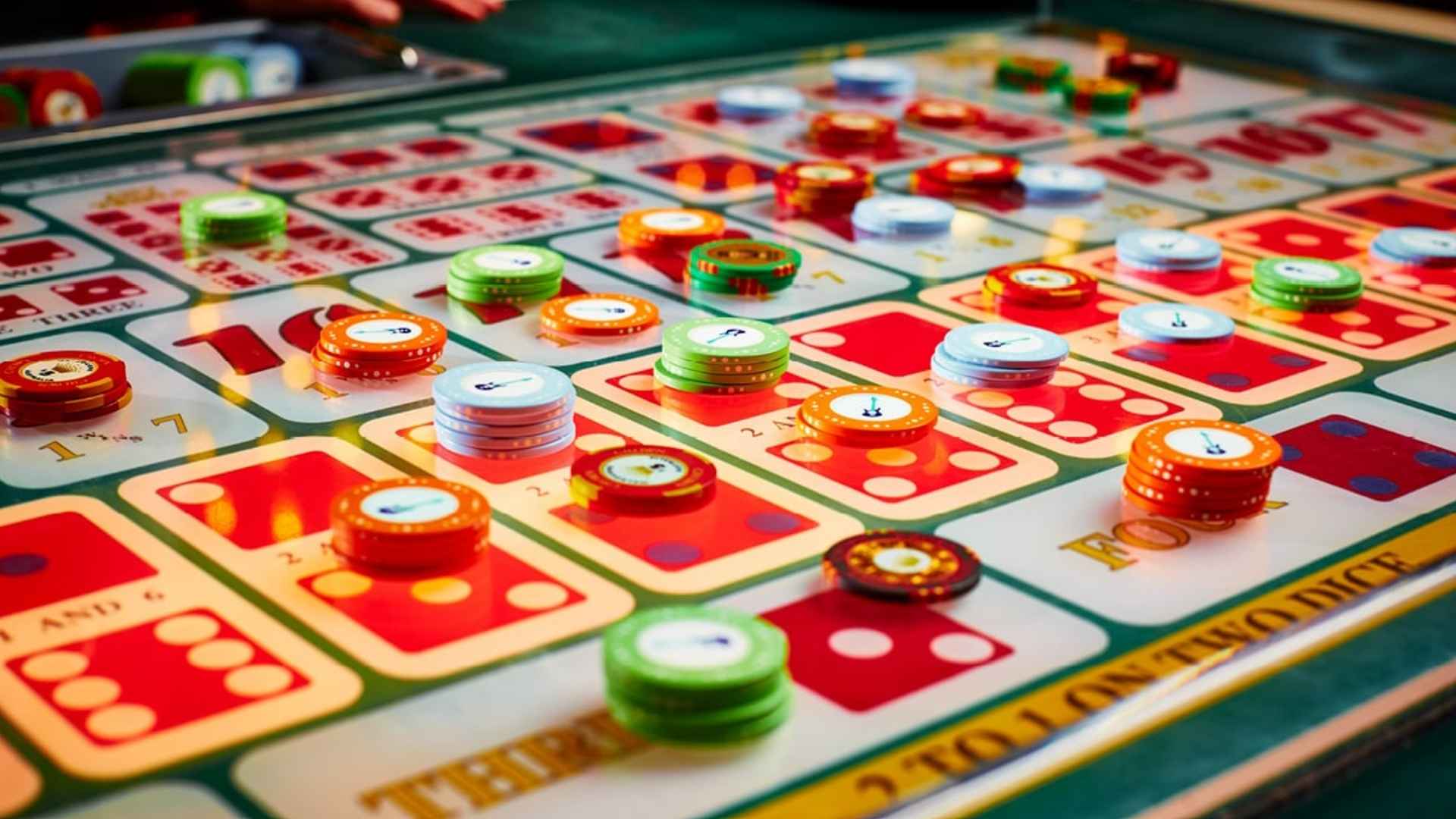
Modern game developers are increasingly turning to chance-driven incentives to craft dynamic experiences that keep players emotionally invested. By departing from linear progression tracks, games can surprise users with unexpected rewards that turn ordinary achievements into memorable highlights. This subtle unpredictability alters how players navigate virtual worlds, encouraging deeper exploration and continuous engagement.
The Appeal of Unpredictable Rewards in Game Progression
Uncertainty naturally heightens curiosity, prompting individuals to pay closer attention to ongoing activities. When a gaming outcome is not completely guaranteed, players experience a heightened sense of anticipation before every reveal. This psychological pull ensures that routine tasks remain engaging even after long hours of play.
Dynamic incentive systems work by breaking up monotonous routines with unexpected benefits. Instead of relying solely on predictable schedules, developers use variable mechanics to foster organic excitement. As a result, players view each new session as an opportunity for unique discoveries.
Transforming Standard Tasks into Dynamic Experiences
Integrating probabilistic elements allows developers to add meaningful depth without altering fundamental gameplay mechanics. A simple quest becomes far more interesting when the potential reward varies based on chance. This approach encourages participants to approach challenges with refreshed enthusiasm and varied strategies.
Many online platforms adopt similar strategies to sustain high user interest across various promotional campaigns. Players looking for exclusive gaming promotions can check the latest m88 促销代码 to discover tailored benefits. These incentives demonstrate how variable offerings maintain curiosity across different digital environments.
Balancing Randomness and Player Effort
While chance mechanics inject excitement into gameplay, maintaining equity is essential for long-term satisfaction. Relying too heavily on random outcomes can leave dedicated players feeling as though their effort goes unrewarded. Therefore, successful titles balance random drops with guaranteed baseline milestones to protect user investment.
By combining predictable progress with surprise bonuses, games create a satisfying balance of stability and thrill. Players stay motivated knowing that their skill drives forward movement, while chance provides occasional emotional peaks. This equilibrium forms the foundation of sustainable game design.
Fostering Long Term Engagement Through Novelty
Replayability relies heavily on a game's capacity to deliver novel situations over extended periods. Unpredictable reward structures prevent long gaming journeys from feeling like repetitive chores. When outcomes constantly evolve, players stay curious about what lies around the next corner.
As digital entertainment continues to mature, adaptive incentive models will become even more refined. Tailoring variable systems to individual play styles ensures that every journey feels uniquely crafted. Ultimately, chance-driven mechanics transform static entertainment into an evolving narrative of personal discovery.