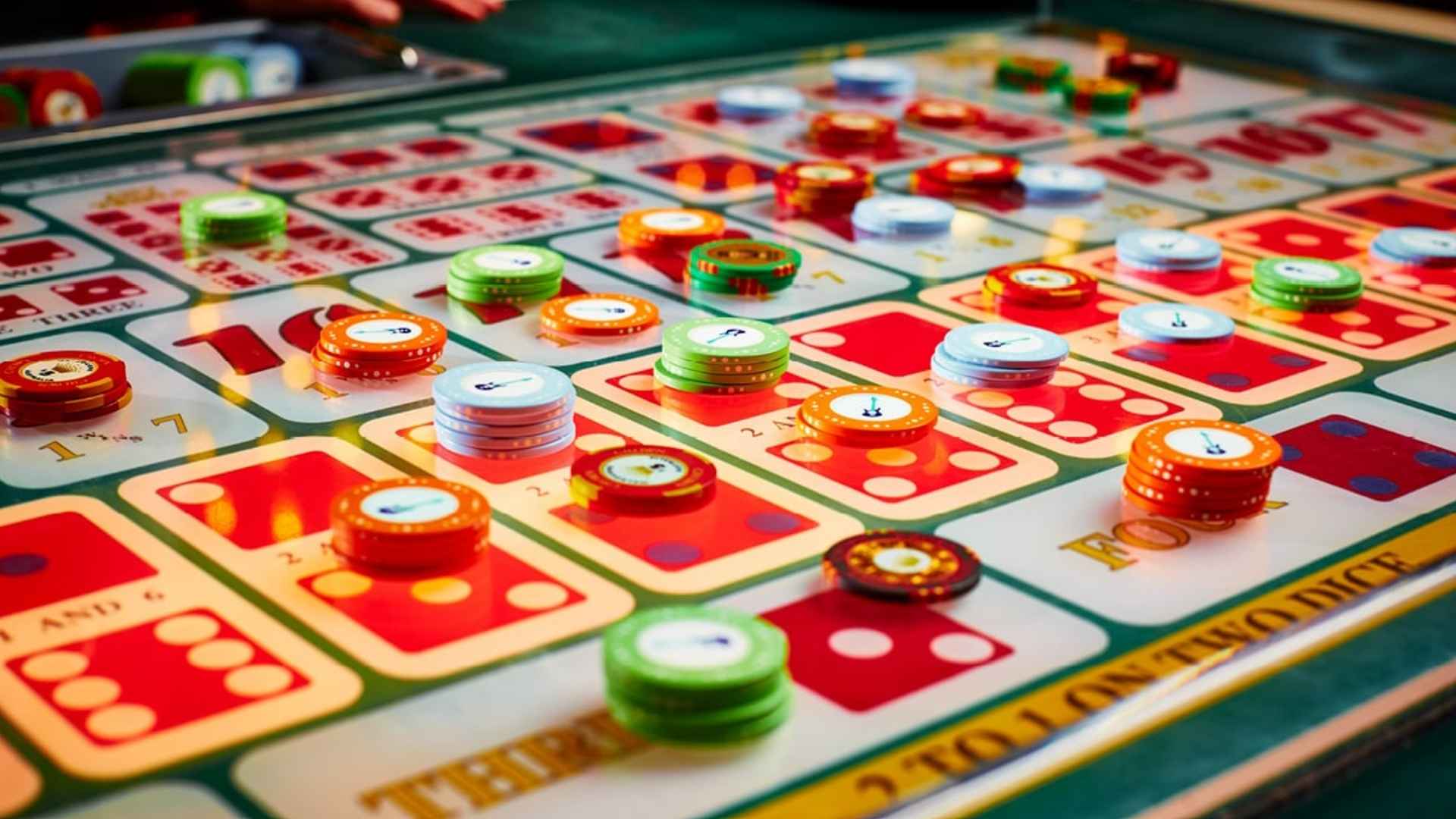
Navigating fast-paced gaming environments requires high visual acuity and sharp concentration to monitor continuous sequence changes. As digital tables compress betting intervals and speed up dealing animations, players frequently face cognitive overload during extended play. Developing structured tracking habits ensures that every decision remains deliberate and aligned with personal boundaries.
Understanding the Speed Dynamic in Modern Table Games
Accelerated formats significantly shorten the interval between consecutive game outcomes, creating a relentless operational flow. This swift transition leaves minimal time for manual record-keeping or deep analytical processing between deals. Understanding how this tempo impacts decision quality is the crucial first step toward maintaining consistent awareness.
When time frames shrink, sensory fatigue can settle in much faster than in traditional, slow-paced settings. Recognizing early symptoms of mental exhaustion helps participants step back before distraction leads to uncalculated actions. Keeping a steady awareness allows observers to evaluate table dynamics without feeling rushed by tight countdown timers.
Practical Visual Techniques for Monitoring Results
Relying purely on short-term memory during rapid sessions often causes players to lose sight of recent outcome trends. Utilizing on-screen summary displays and electronic roadmaps offers a structured visual reference for past hands. These tools present chronological data cleanly, allowing participants to review historical patterns at a single glance.
Establishing a fixed routine for scanning visual indicators prevents unnecessary confusion during key moments. Rather than chasing every minor statistical fluctuation, focused observers track general directional flow and broad table metrics. Accessing reliable platforms like m88 link mới nhất allows enthusiasts to observe responsive interfaces designed for smooth, real-time result tracking.
Regulating Rhythm to Avoid Decision Fatigue
Maintaining full control during high-velocity gameplay requires active management of personal session timing. Deliberately skipping occasional betting windows creates helpful mental breathers without disrupting overall session continuity. Stepping back for a brief pause restores visual focus and helps reset analytical judgment.
Setting strict personal time limits prior to entering high-speed tables prevents cumulative fatigue from impairing performance. Short, structured sessions consistently produce higher clarity than prolonged, uninterrupted gaming marathons. Taking planned breaks ensures that observational accuracy remains sharp throughout the entire duration of play.
Building a Methodical Approach to Fast Play
A systematic mental framework acts as an anchor when ambient gaming conditions move rapidly. Establishing clear criteria for each wager eliminates panic and reduces reliance on impulsive intuition. When players adhere to a pre-planned strategy, rapid outcome reveals become predictable checkpoints rather than stressful events.
Ultimately, keeping pace with swift table action is about disciplined focus rather than raw speed. By leveraging interface layout features and maintaining strict session boundaries, participants can follow fast-moving environments seamlessly. Developing these methodical habits transforms a chaotic experience into a controlled, structured observation process.